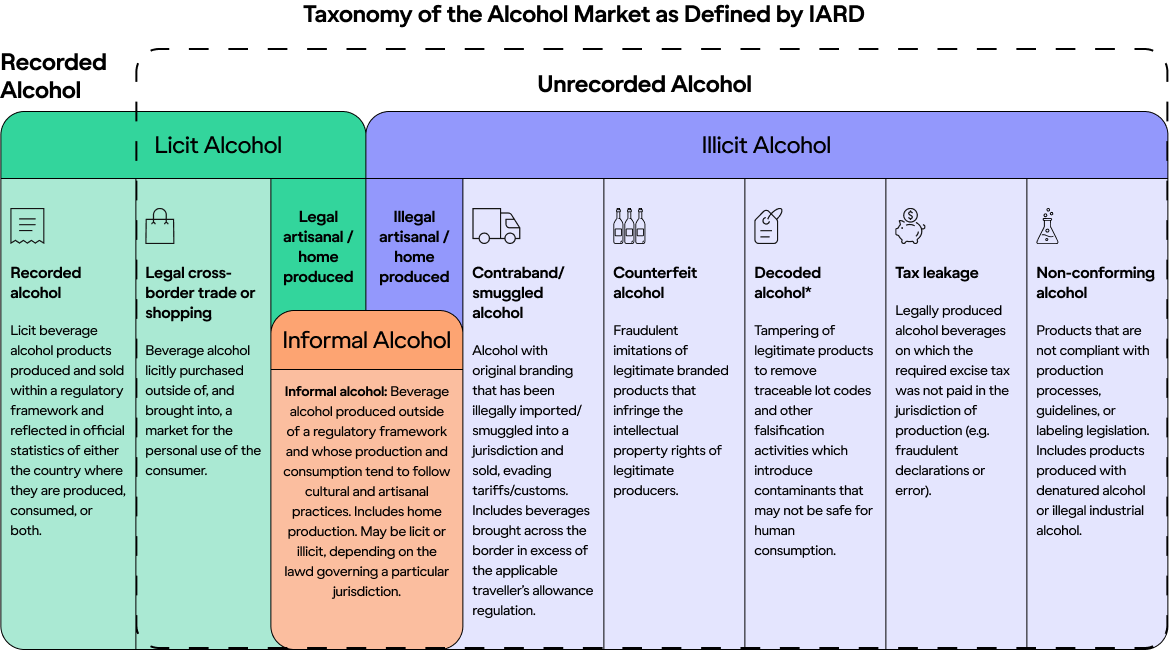
Fake alcohol brands are produced and sold illegally and made to look like well-known brands. Formally, known as counterfeit alcohol, it is often filled into empty original containers or has fake labels that look like those on well-known brands.
Fake alcohol is produced without oversight or adherence to safety standards, meaning it may contain harmful ingredients and chemicals, or be contaminated with toxic substances and impurities from poor distillation and production processes. Sometimes these liquids in fake alcohol bottles use highly toxic substances and/or may misrepresent the proportion of alcohol (ABV) present.
It is important to note that the vast majority of branded spirits products – when purchased from reputable sources such as licensed retailers, supermarkets, duty-free shops or official brand websites – are legitimate and safe to consume.
Here’s what you need to know:
Being vigilant begins with verifying that the alcohol you’re consuming is genuine and legally sourced. By staying vigilant, you can protect yourself and can also contribute to reducing the far-reaching and dangerous impact of fake or counterfeit alcohol.
While media coverage often focuses on methanol, the risks of fake alcohol go beyond this. For example, fake products may be in the form of refilled bottles (beer, spirits or wine) with higher-than-advertised alcohol content, increasing the risk of unintentional over-consumption and alcohol poisoning.
If you know how to identify fake products, you can better protect yourself and others from potential harm. It’s useful to report any suspected fake alcohol brands to the appropriate authorities to help limit the spread. Disposing of empty bottles in the correct way can also help to disrupt the supply chain of fake alcohol brands which are made and sold illegally.
Here are 5 practical steps you can follow to stay safe when it comes to fake alcohol:
- Place: Always buy your alcohol from reputable and licenced traders, making sure you get a valid receipt with your purchase. Sellers without proper credentials could well be selling fake alcohol products.
- Price: Compare prices with those of the same (or similar) products in legitimate and trusted supermarkets. If the price seems concerningly low, it could suggest that the product is fake.
- Product: Carefully check the product for any unusual signs, like floating debris, strange smells, or off-colour liquid. If something seems wrong, always trust your instincts and definitely don’t consume it.
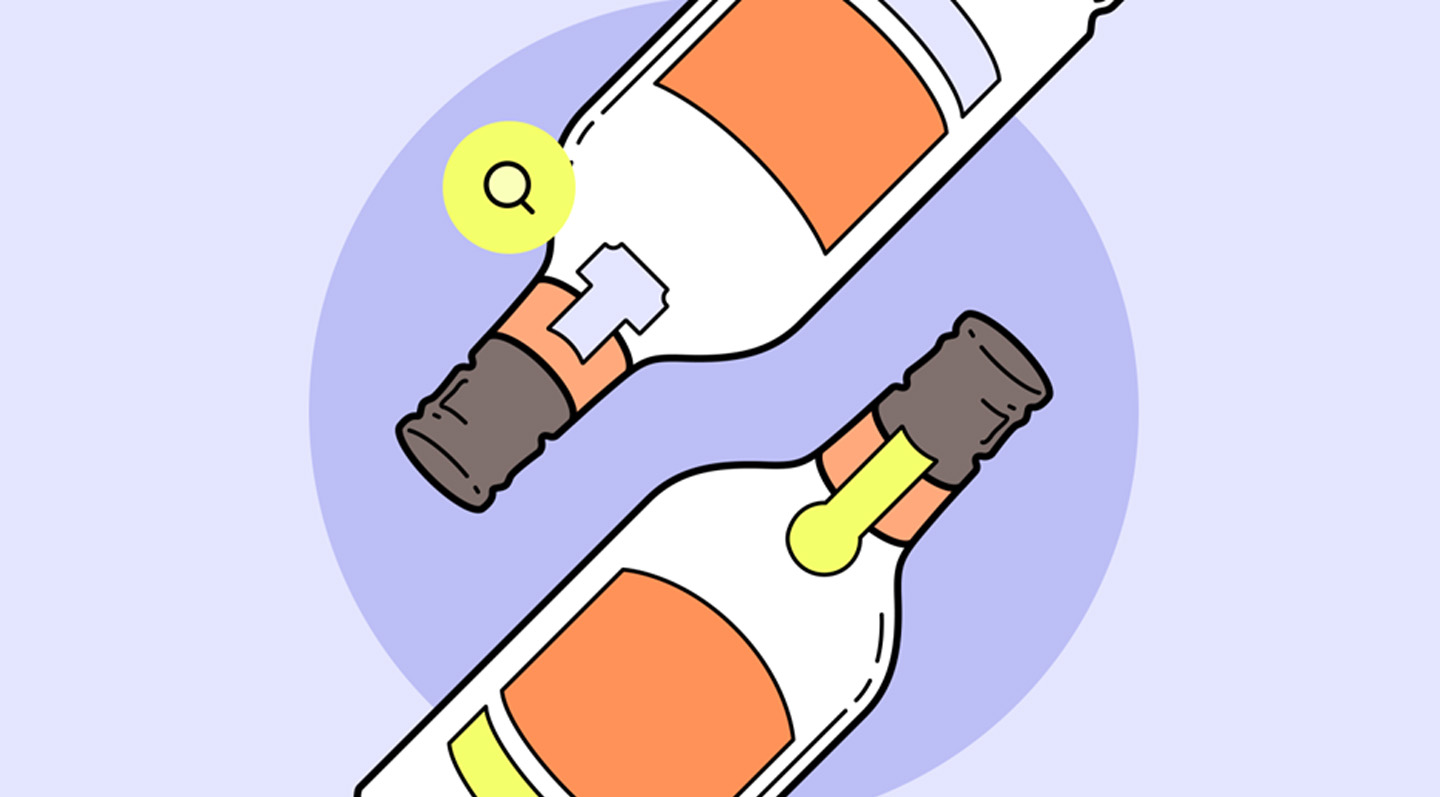
- Packaging: Inspect the packaging for signs of tampering or previous opening. Check the bottle’s fill level and label quality, making sure there are no spelling errors or blurry misprints as these are common signs of fake products.
- Payment and Refund: Always use recognised and secure payment methods to purchase your alcohol. Sellers who insist on cash only or don’t have a clear refund policy raise some red flags.
Staying informed about the risks associated with fake alcohol products is essential for your health and safety.
What distinguishes legal from fake alcoholic beverages and how can I be sure the alcohol I drink isn’t contaminated with methanol or counterfeit?
Legally produced alcohol must meet strict production guidelines and pass certain quality control standards before it can be sold.
Products are checked for things like approved ingredients, proper labelling, and rigorous testing to prove that they're safe.
Fake alcohol, on the other hand, is often produced in unregulated and informal environments with little to no testing, increasing the chances of toxic ingredients or contamination. This means that substances that are not meant for human consumption, including methanol or heavy metals, can sometimes be present. When consumed, these toxic ingredients can cause health problems, some of which can be fatal.

Did you know?
Any alcoholic beverage can be counterfeited, not just spirits.
- Stay alert and share this knowledge with family, friends, and the wider community
- Make informed choices about alcohol to protect your health and wellbeing
- Drink responsibly and comply with local guidance, rules, and regulations on alcohol consumption
- If you suspect anything suspicious, please report it to the AACS: https://aacs-global.com/contact/report-a-counterfeit-issue
- Fake alcohol is a serious issue that affects health, safety, and communities
- Learn and follow the 5 Ps to identify counterfeit alcohol and stay safe