
Drinks Calculator & Moderation Tips

Daily and weekly drink tracker interface with calorie calculations
Drinks Calculator

This tool helps you track your alcohol intake based on the number and volume of your drinks.

Interesting fact

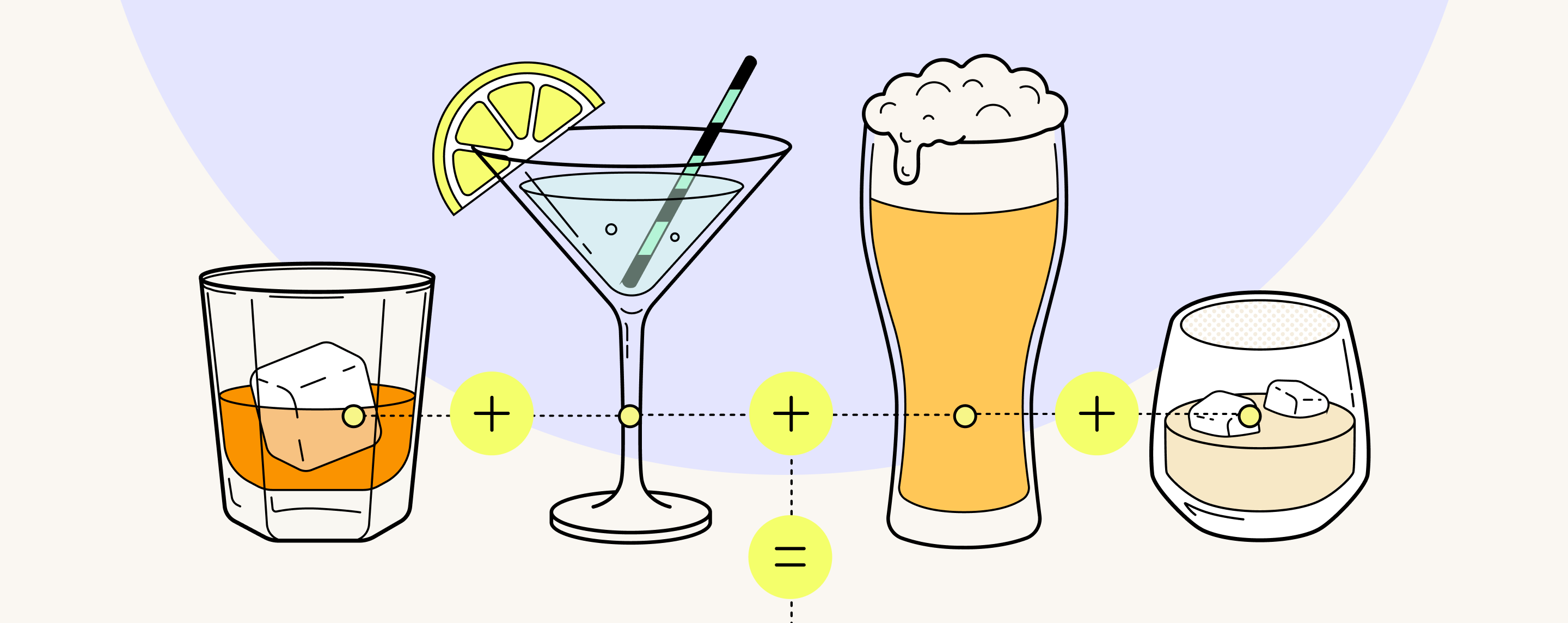
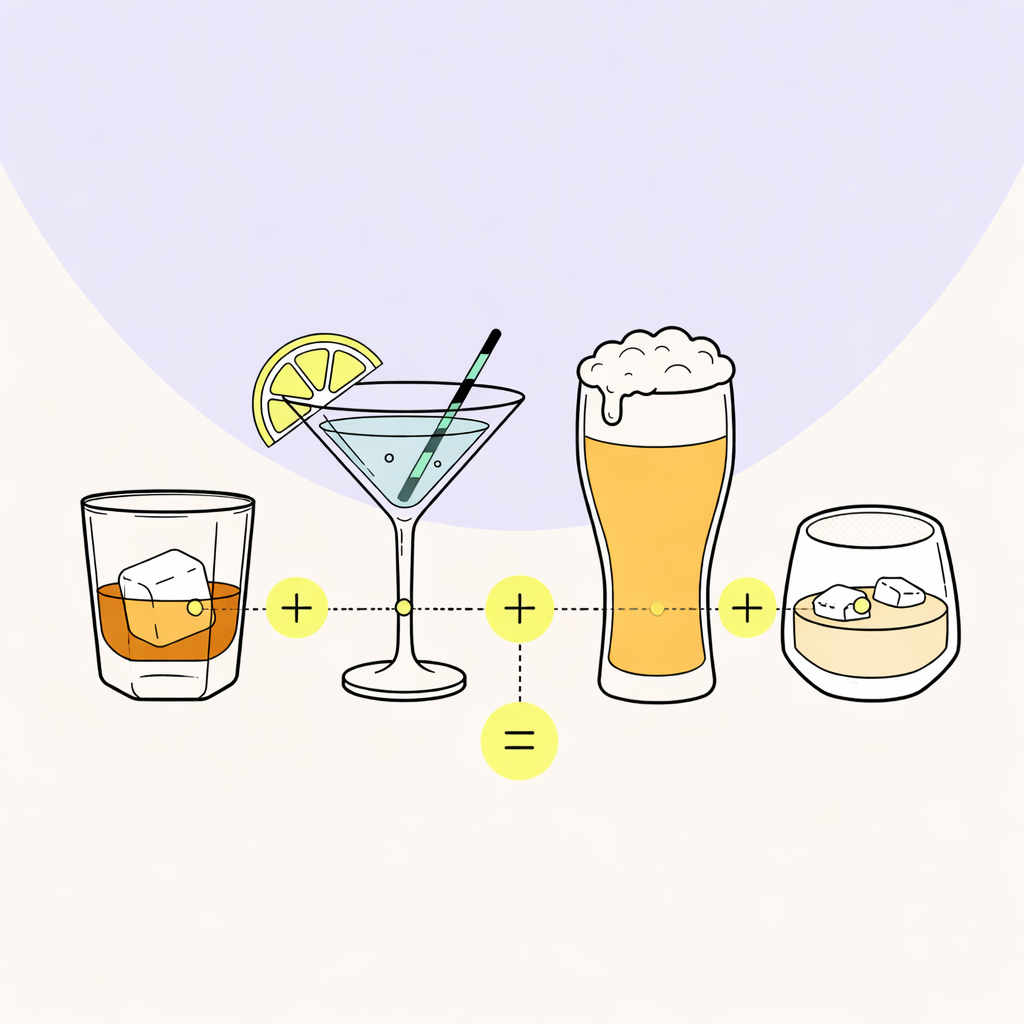
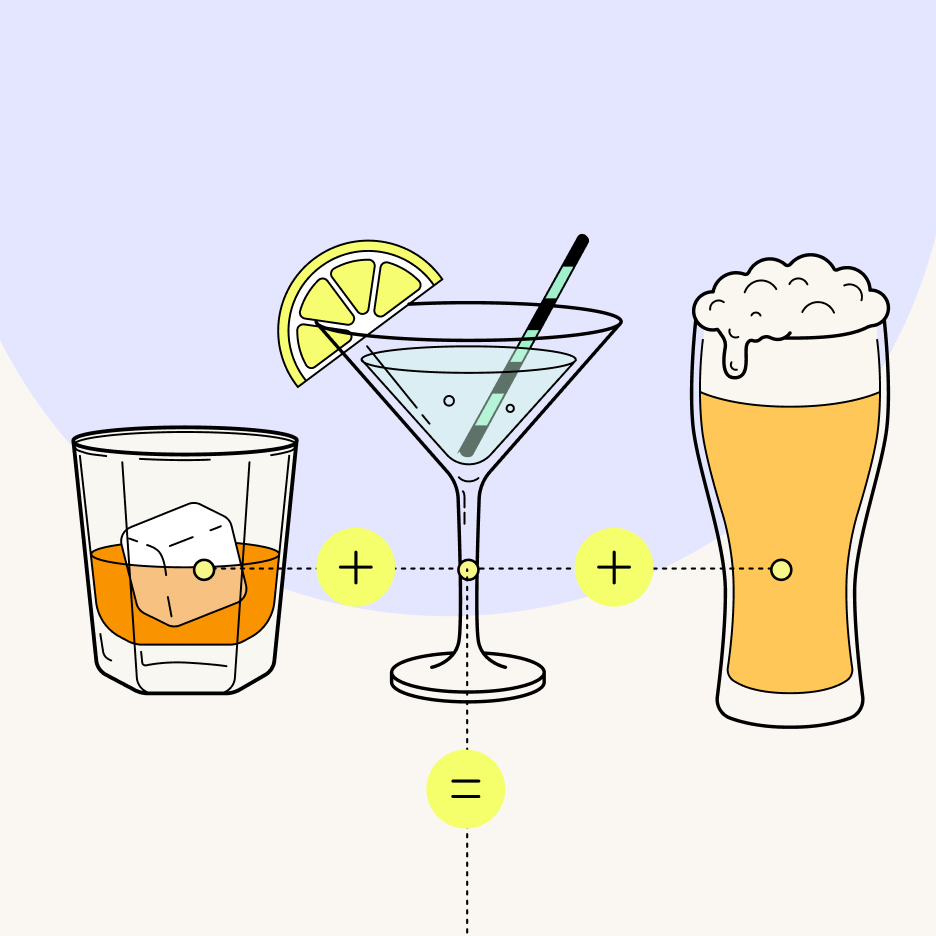
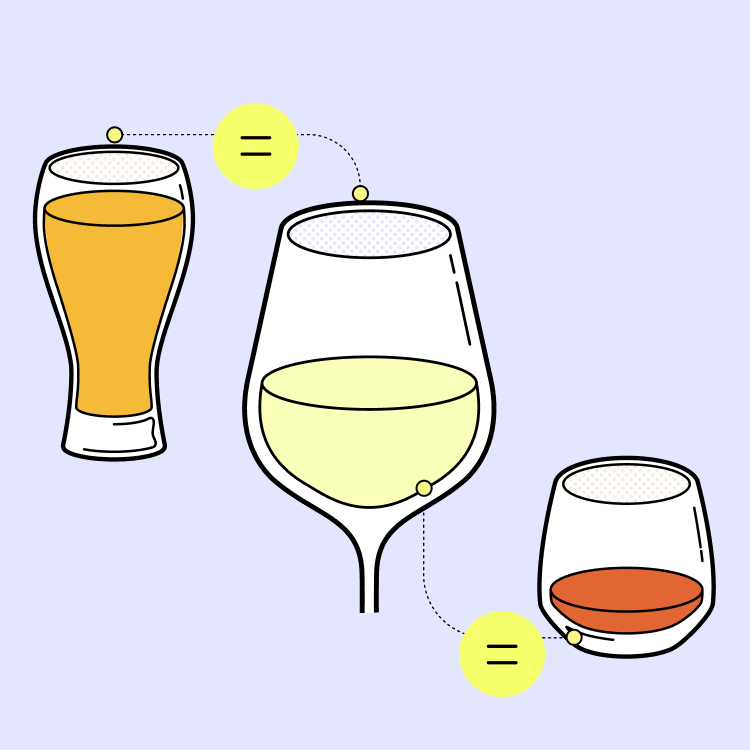
Beer, wine, and spirits all contain the same type of alcohol, ethanol, which affects your body in the same way, no matter what you’re drinking.

Drinks Calculator

Track your alcohol intake below. You can adjust the percentages based on the amount you have consumed!

True or False?
True or false? Some alcohol beverages like spirits are ‘hard’.

False. Despite some popular notions, there’s no such thing as ‘hard’ alcohol. While spirits contain more alcohol by volume than most wines, which contain more than most beers, a standard drink of all three contains the same amount of ethanol. A drink is always a drink in terms of its alcohol content.


True or false? Beer has a lower ABV, so a glass of beer is less likely to make you intoxicated than a glass of spirits or wine.

False. A given volume of beer is more ‘dilute’ than the same volume of spirits or wine. This is why beer is served in larger glasses. When you drink a typical serving of beer, wine, or spirits, you end up consuming the same amount of ethanol.


Q: Does the effect of alcohol depend on whether you’re drinking beer, wine or spirits?

A: Beer, wine and spirits all contain the same type of alcohol, ethanol, which has the same effect on your body regardless of what you’re drinking. The important thing is how much ethanol you’re drinking and how quickly. All types of alcohol beverages will raise your blood alcohol level, which will initially make you relax but increasingly impair your ability to focus and your coordination as you drink more.

Related articles

Keeping your drinking moderate: practical tips

Drinking moderately can be part of a balanced lifestyle for most adults. But what does moderate drinking mean? It means avoiding excess in your drinking to minimize the risk of harming your health and injuring yourself or other people around you. It means knowing your limits and those recommended by health experts. If you have any questions or concerns about your drinking and how it can affect you, consulting a health expert is always the best approach.

Here are some practical considerations to help you make decisions about your drinking to keep your risk of harm low. Inform yourself about drinking and its effects.

  • The US Dietary Guidelines offer general parameters for drinking for men and women. This is a good place to start.
  • Guidance is often given in terms of standard drinks or units. Familiarize yourself with these and what they mean in practical terms – what is a standard drink of beer, wine, and spirits? This can help you keep track of how much you are drinking and help you stay within recommended limits.
Know your own limits
  • Alcohol affects different people differently. Make sure you understand your own relationship with alcohol and your own limits.
  • Drinking even a little can increase risk for some people, so it is important to understand how your own body responds to alcohol and to follow advice you may have been given by a health professional.
Plan ahead
  • Have a plan before your drinking occasion. That makes decisions easier to make in the moment.
  • Drinking to be ‘cool’ or to fit in is never a good reason. You can have just as much fun if you drink a little or not at all. Trust yourself.
  • Moderation and responsibility go hand in hand. If you are planning to drink, make sure you are not planning to drive. Even light drinking can impair your reaction time and how you make decisions, so make sure you arrange for alternative transportation.
Eating and drinking
  • Make sure that you eat if you are drinking and that you keep yourself well hydrated with water or non-alcoholic beverages.
What to avoid
  • Nobody should drink alcohol to improve their health. If you do not drink alcohol, you should not start doing so for health reasons.
  • If you have been diagnosed with a health condition, make sure you consult a health professional about the possible interaction with alcohol.
  • Alcohol and certain medications do not mix. Find out about possible interactions before you drink alcohol.
  • Having several drinks within a short period of time will make you intoxicated. Avoid drinking excessively and ‘binge’ drinking.
  • Contrary to popular belief, drinking alcohol before going to bed is likely to disrupt your sleep. You should avoid using alcohol as a sleep aid.